Designing Canadian Energy-Efficient Homes: A Guide to Smart Living
- Mar 31
- 4 min read
Building a home that is both luxurious and energy-efficient is no longer just a dream—it's a smart, achievable reality. When I think about designing homes in Canada, especially in Toronto and the GTA, I focus on blending style with sustainability. The cold winters and warm summers here demand homes that can adapt efficiently, saving energy and reducing costs. Let me walk you through the essentials of designing energy-efficient homes that stand out for their comfort, innovation, and eco-friendliness.
Embracing Canadian Energy-Efficient Designs for Lasting Comfort
When it comes to Canadian energy-efficient designs, the goal is clear: create homes that maintain a comfortable indoor climate year-round without excessive energy use. This means paying close attention to insulation, windows, heating systems, and even the orientation of the house.
Insulation is king in colder climates. Using high-quality insulation materials in walls, roofs, and floors can drastically reduce heat loss. For example, spray foam insulation offers excellent air sealing and thermal resistance, making it a popular choice for custom homes in Toronto.
Windows are another critical factor. Double or triple-glazed windows with low-emissivity coatings help keep heat inside during winter and block unwanted heat in summer. Positioning windows to maximize natural light while minimizing heat loss is a smart design move. South-facing windows, for instance, can capture sunlight during the day, reducing the need for artificial heating.
Heating systems should be efficient and adaptable. Heat pumps, especially cold-climate models, are gaining traction because they provide both heating and cooling with less energy than traditional furnaces. Pairing these with smart thermostats allows homeowners to control temperatures remotely, optimizing energy use.
Finally, the orientation of the home itself plays a role. Designing with the sun’s path in mind can enhance passive solar heating and natural ventilation, reducing reliance on mechanical systems.
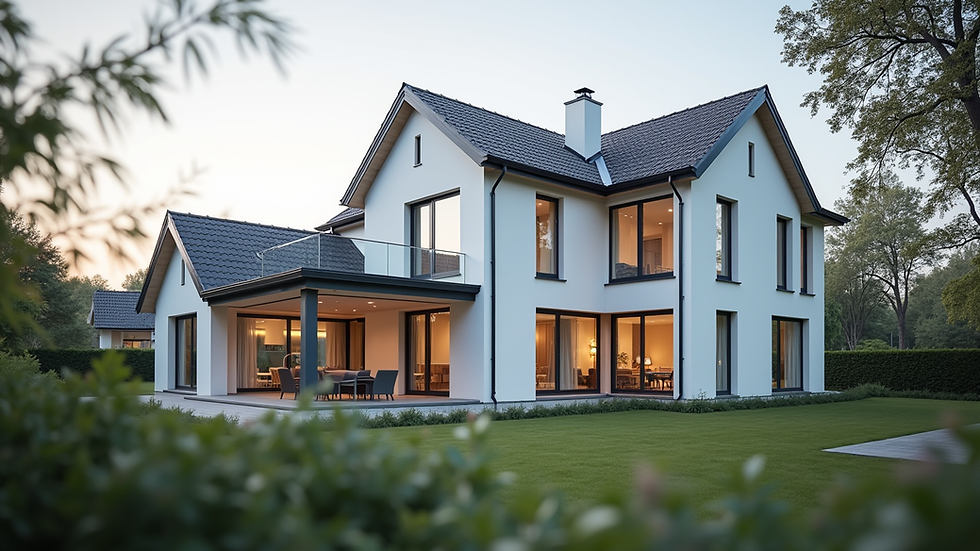
Key Features of Canadian Energy-Efficient Designs
To truly embrace energy efficiency in your home, consider integrating these features into your design:
High-performance building envelope: This includes airtight construction, superior insulation, and moisture control to prevent heat loss and maintain indoor air quality.
Energy-efficient HVAC systems: Heat pumps, energy recovery ventilators (ERVs), and smart thermostats work together to optimize heating, cooling, and ventilation.
Renewable energy integration: Solar panels and geothermal systems can significantly reduce your home's carbon footprint and energy bills.
Water-saving fixtures: Low-flow faucets, dual-flush toilets, and rainwater harvesting systems contribute to overall sustainability.
Smart home technology: Automated lighting, shading, and energy monitoring systems help manage consumption effectively.
By combining these elements, you create a home that not only looks stunning but also performs exceptionally well in terms of energy use.
How much does it cost to build a 2000 sq ft house in Canada?
Understanding the cost of building a home is crucial, especially when aiming for energy efficiency. A 2000 sq ft house in Canada can vary widely in price depending on location, materials, and design complexity. In Toronto and the GTA, the average cost ranges from $350 to $450 per square foot (before tax) for custom builds, which means you’re looking at approximately $ 700,000 to $900,000.
Energy-efficient features may add to upfront costs but offer long-term savings. For example:
High-quality insulation and windows might increase initial expenses by 5-10%, but they reduce heating and cooling bills significantly.
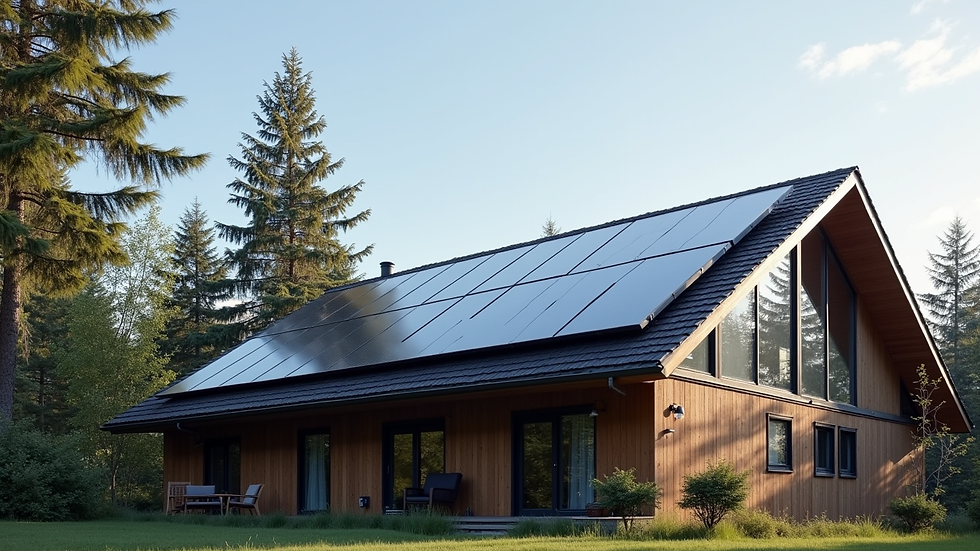
Installing solar panels can add $15,000 to $30,000, but government incentives and energy savings often offset this over time.
Smart HVAC systems may cost more initially but improve comfort and efficiency, lowering utility bills.
When budgeting, consider these investments as part of your home's value and future savings. Working with a builder who understands energy-efficient home design in Canada ensures you get the best balance between cost and performance.
Practical Tips for Designing Your Energy-Efficient Dream Home
Designing a home that’s both luxurious and energy-efficient requires thoughtful planning. Here are some actionable tips to guide you:
Start with a detailed energy audit: Assess your site’s climate, sun exposure, and wind patterns to inform your design decisions.
Choose the right materials: Opt for sustainable, durable materials that provide excellent insulation and low environmental impact.
Incorporate passive solar design: Use overhangs, thermal mass, and window placement to naturally regulate temperature.
Invest in airtight construction: Seal gaps and cracks to prevent drafts and heat loss.
Select energy-efficient appliances and lighting: Look for ENERGY STAR-rated products to reduce electricity use.
Plan for future upgrades: Design your home to easily accommodate solar panels, battery storage, or electric vehicle charging stations.
Work with experienced professionals: Collaborate with architects and builders who specialize in energy-efficient homes to ensure your vision is realized effectively.
By following these steps, you’ll create a home that’s not only beautiful but also kind to your wallet and the environment.
The Future of Home Building in Toronto and the GTA
The trend toward energy-efficient homes is growing rapidly in Toronto and the GTA. More homeowners are recognizing the benefits of investing in sustainable designs that offer comfort, lower utility bills, and increased property value. Builders like Benestone are leading the way by transforming unique visions into high-quality, technologically advanced homes that meet these demands.
Imagine living in a home that adjusts to your lifestyle, keeps you cozy in winter, cool in summer, and reduces your carbon footprint—all while reflecting your personal style. That’s the promise of modern Canadian energy-efficient designs.
If you’re ready to explore how an energy efficient home design canada can elevate your living experience, now is the perfect time to start planning. With the right approach, your dream home can be a beacon of innovation and sustainability.
Designing an energy-efficient home in Canada is more than a trend—it’s a smart investment in your future. By focusing on quality materials, smart technology, and thoughtful design, you can enjoy a luxurious, comfortable home that respects the environment and your budget. Let’s build homes that inspire and endure.


Comments